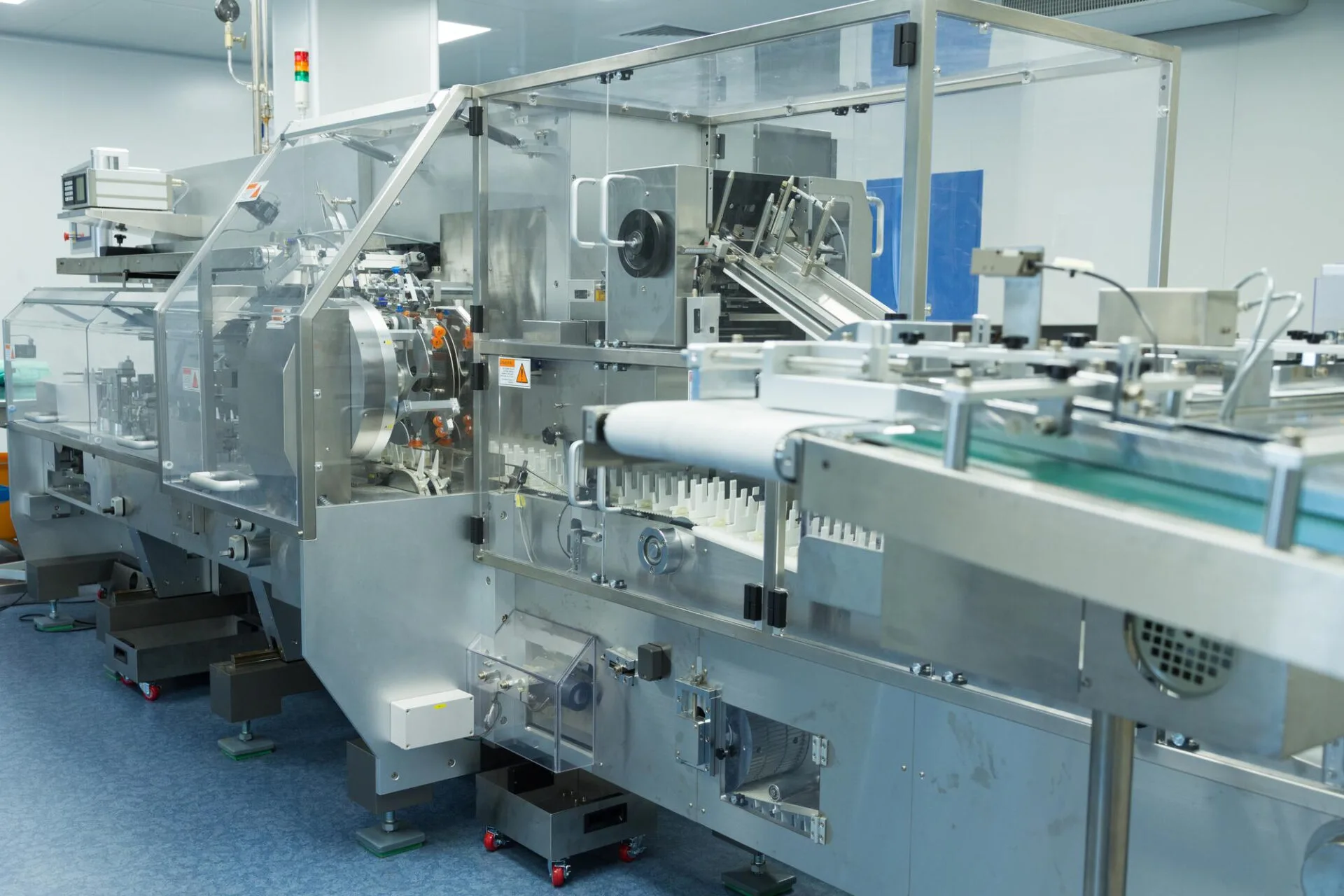
In today’s highly competitive industrial environment, manufacturers are facing increasing pressure to improve production efficiency, reduce operating costs, maintain consistent product quality, and respond quickly to changing market demands. Traditional production methods that rely heavily on manual operations are becoming less competitive due to rising labor costs, production limitations, and difficulties in maintaining stable manufacturing performance.
To overcome these challenges, more companies are investing in customized automated production lines that integrate advanced automation technology, intelligent control systems, and flexible manufacturing solutions. Unlike standard equipment, customized automation solutions are designed according to each customer’s production requirements, material characteristics, factory layout, and business goals.
Hefei Weite Electromechanical Equipment Manufacturing Co., Ltd. specializes in the research, development, design, and integration of automated production equipment and complete production line solutions. By combining automation technology with intelligent manufacturing concepts, the company helps industrial enterprises upgrade their production processes and build more efficient, accurate, and intelligent factories.
A customized automated production line is not only an equipment upgrade but also an important step toward smart manufacturing and digital transformation.
What Is a Customized Automated Production Line?
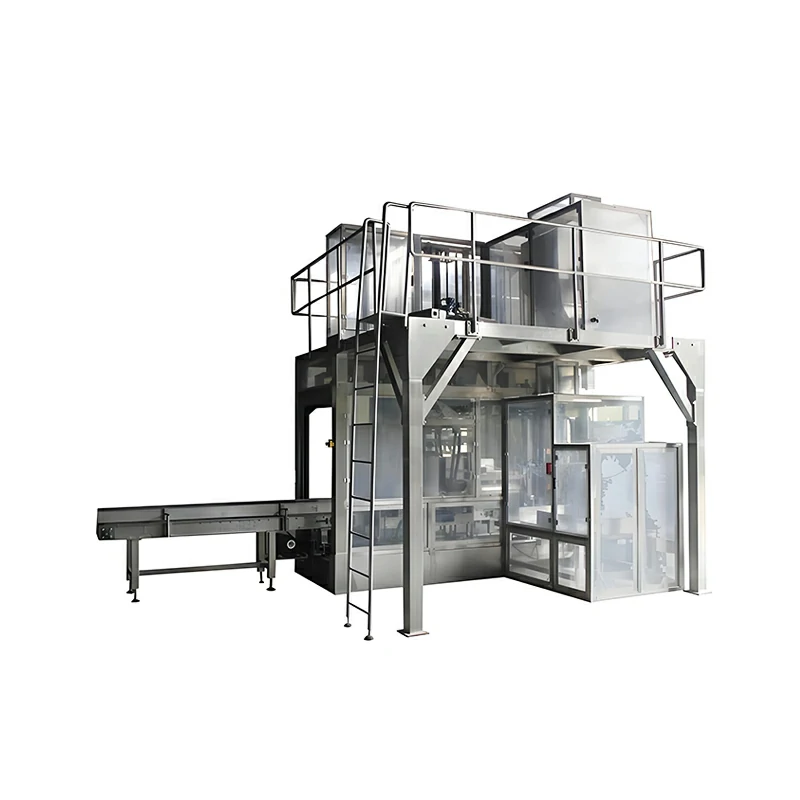
A customized automated production line is an integrated manufacturing system designed specifically for a company’s production needs. It combines multiple automated machines, control systems, material handling equipment, and intelligent technologies to complete production processes with minimal manual intervention.
Unlike traditional standardized machines, customized production lines focus on:
- Specific production requirements
- Unique material characteristics
- Different factory environments
- Production capacity targets
- Future expansion needs
For example, a chemical manufacturer may require an automated powder packaging system, while a mining company may need a complete bulk material handling and packing solution. Although both companies need automation, their production processes and equipment requirements are completely different.
Therefore, professional automation manufacturers analyze customer requirements first and then design suitable production solutions.
Why Customized Automation Solutions Are Becoming Essential for Modern Manufacturing
1. Improving Production Efficiency
One of the biggest advantages of automated production lines is increased manufacturing efficiency.
Manual production processes often involve limitations such as:
- Slow operation speed
- Human errors
- Production interruptions
- Inconsistent output quality
Customized automation systems can optimize the entire production process through:
- Automatic feeding
- Precise weighing
- Intelligent control
- Automated packaging
- Continuous production operation
For industries handling large quantities of materials, such as chemicals, minerals, fertilizers, and construction materials, automation significantly improves production capacity.
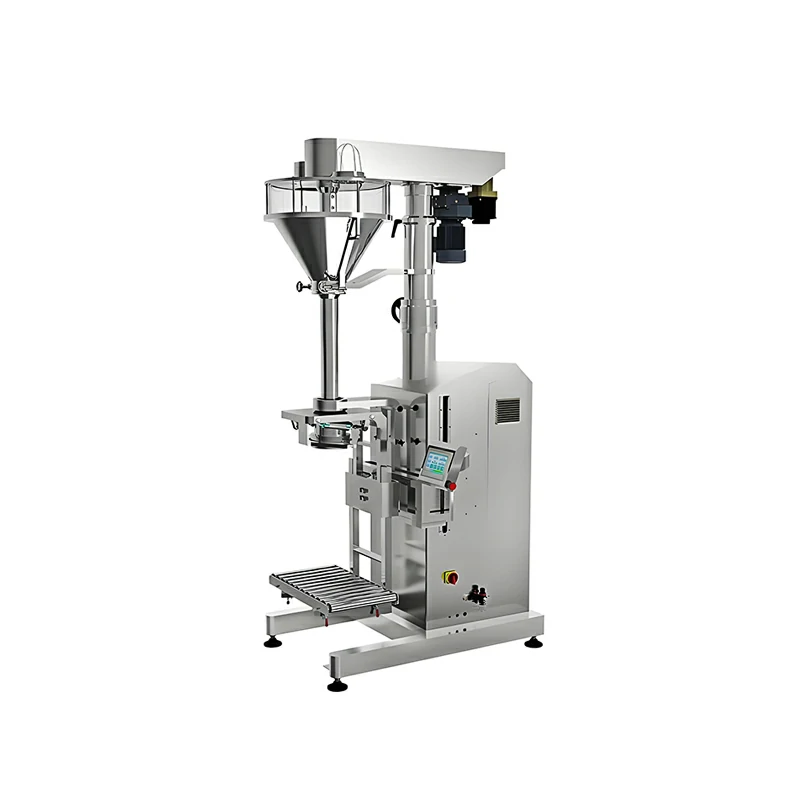
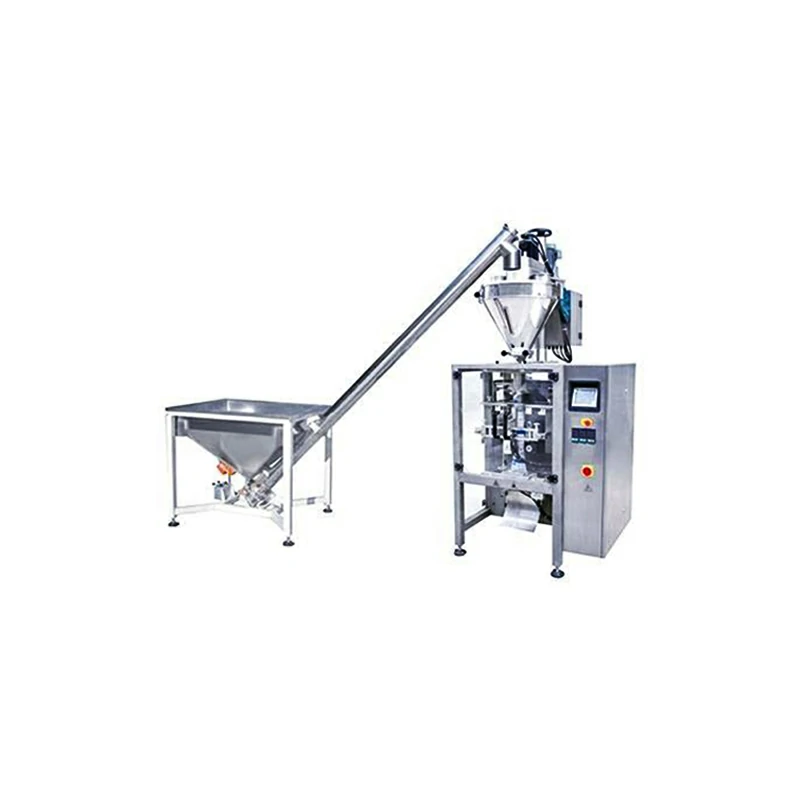
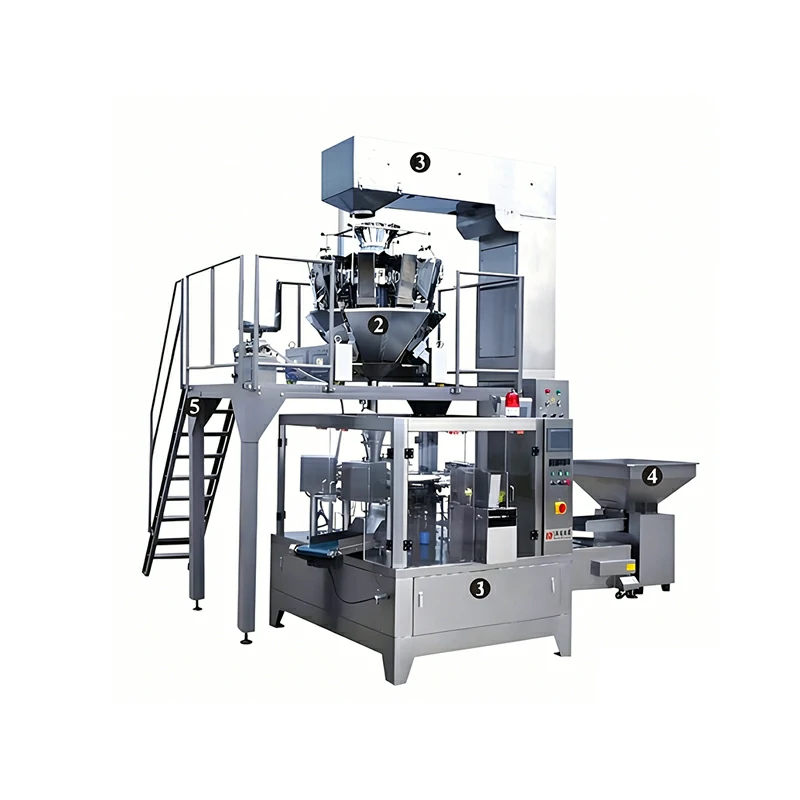
For example, integrating a Machine à emballer les granulés or Machine à emballer les poudres into a production line allows manufacturers to achieve faster packaging speeds while maintaining accurate measurement and stable product quality.
2. Reducing Labor Costs and Improving Workplace Safety
Labor shortages and increasing labor costs have become important challenges for many manufacturing companies worldwide.
Automated production lines help companies reduce dependence on manual labor by replacing repetitive and physically demanding tasks with intelligent equipment.
For industries dealing with heavy materials or dusty environments, automation also improves workplace safety.
Examples include:
- Bulk bag loading
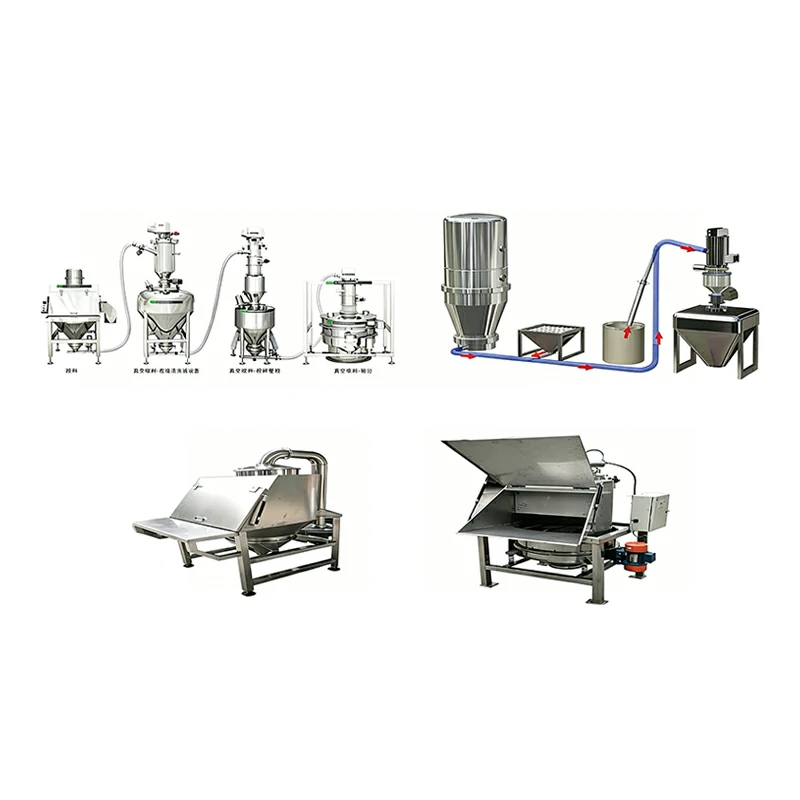
- Powder material handling
- Heavy container transportation
- Automated packaging operations
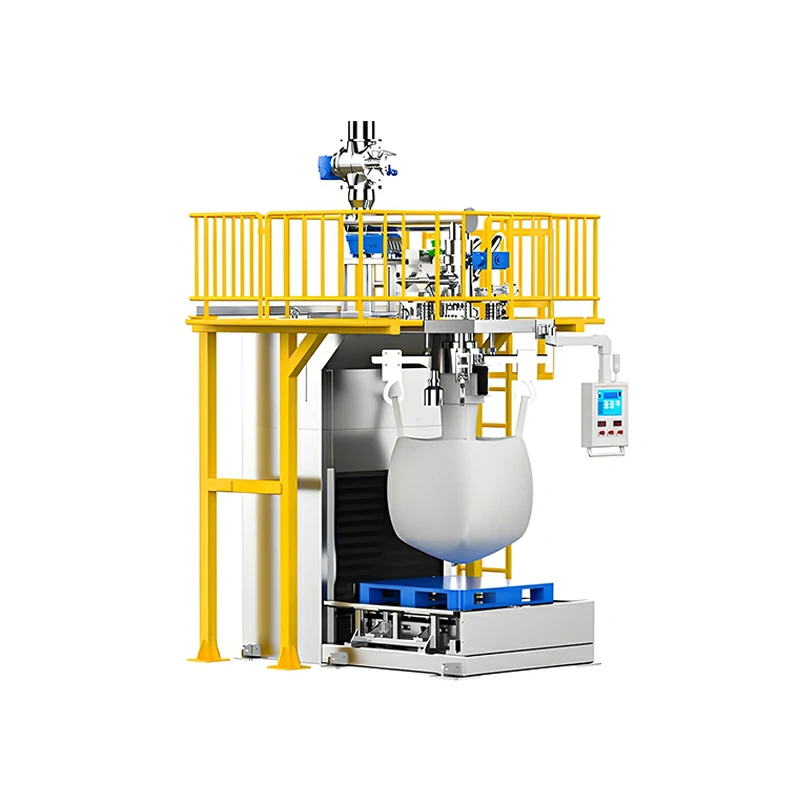
Equipment such as Machine à déballer les sacs en vrac et Machine à emballer les sacs d'une tonne can reduce workers’ exposure to difficult working conditions while improving operational safety.
Through automation, employees can focus more on equipment management, production monitoring, and quality control instead of repetitive manual operations.
3. Achieving Higher Production Accuracy and Product Consistency
Manufacturing quality is directly related to customer satisfaction and market competitiveness.
Traditional manual operations may cause:
- Incorrect material quantities
- Packaging differences
- Production instability
Customized automated production lines use advanced control technologies to improve accuracy.
For example:
- Automatic weighing systems ensure precise material measurement
- Intelligent control systems monitor production parameters
- Sensors provide real-time feedback
- Automated packaging systems maintain consistent output
This is especially important for industries requiring strict quality standards, including:
- Chemical manufacturing
- Food processing
- Pharmaceutical production
- Mining materials
- Agricultural products
By improving production accuracy, companies can reduce material waste and improve overall profitability.
4. Supporting Smart Factory Development and Industry 4.0
The development of Industry 4.0 has changed the way modern factories operate.
Today’s manufacturing enterprises are not only looking for machines that perform tasks; they need intelligent systems that can collect data, analyze production performance, and support better decision-making.
Customized automated production lines provide the foundation for smart factory development by integrating:
- Automated equipment
- Digital control systems
- Data monitoring technology
- Intelligent production management
With these technologies, manufacturers can better understand:
- Efficacité de la production
- Equipment operation status
- Material consumption
- Maintenance requirements
This enables companies to move from traditional manufacturing toward intelligent and data-driven production.
Key Components of a Customized Automated Production Line
A complete automated production system usually includes multiple functional units.
1. Material Feeding System
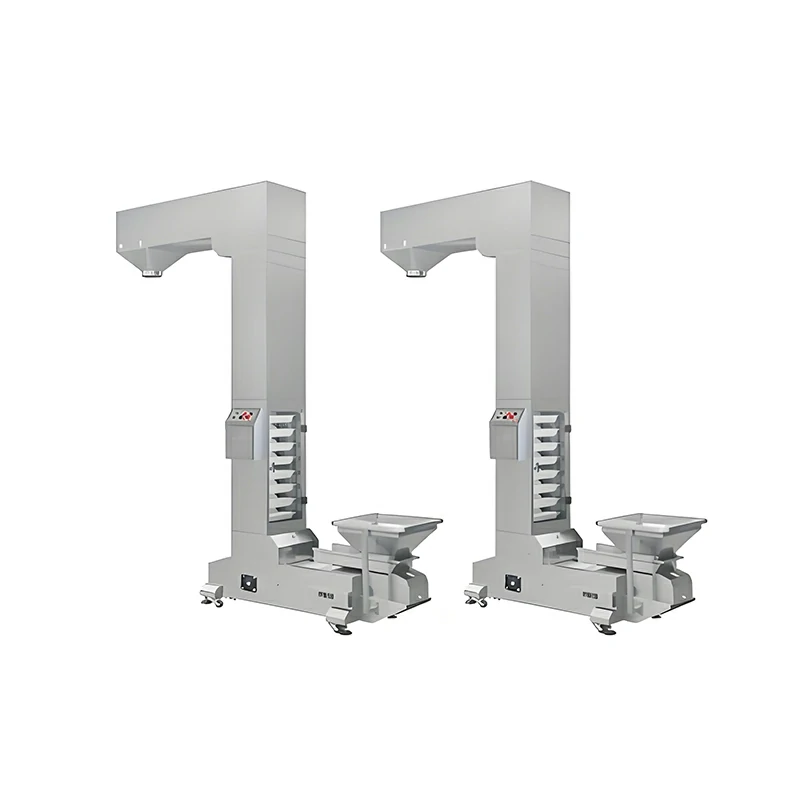
The feeding system is responsible for transporting raw materials into the production process.
Depending on material characteristics, different solutions may be required:
- Matériaux en poudre
- Matériaux granulaires
- Bulk materials
- Heavy industrial materials
A customized feeding system ensures stable material flow and improves production efficiency.
2. Automatic Weighing and Measurement System
Accurate measurement is essential for industrial production.
Modern automated production lines use intelligent weighing technology to ensure:
- High measurement accuracy
- Reduced material loss
- Improved production consistency
This is especially important for packaging applications where precise weight control directly affects product quality.
3. Automated Packaging Equipment
Packaging is a critical stage for many industries.
Customized packaging solutions may include:
- Machine à emballer les granulés
- Machine à emballer les poudres
- Machine à emballer les sacs d'une tonne
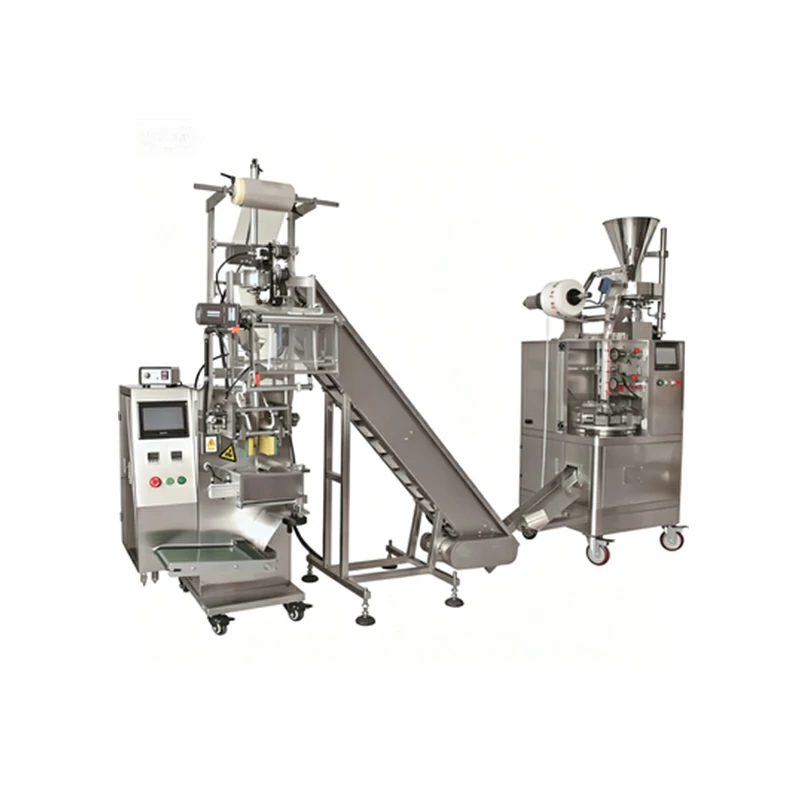
- Unité d'emballage automatisée
These systems can be designed according to:
- Packaging size
- Propriétés des matériaux
- Production speed
- Customer requirements
4. Intelligent Control System
The control system acts as the “brain” of an automated production line.
It manages:
- Fonctionnement des équipements
- Production parameters
- Safety monitoring
- Data collection
Through intelligent control technology, operators can monitor production conditions and improve factory management efficiency.
Applications of Customized Automated Production Lines
Customized automation solutions are widely used in various industries.
Industrie chimique
Chemical manufacturers often handle powder and granular materials that require accurate processing and packaging.
Automation solutions help improve:
- Material handling efficiency
- Précision du conditionnement
- Production safety
Industrie minière
Mining enterprises usually process large volumes of raw materials.
Customized production lines can provide solutions for:
- Bulk material transportation
- Automated packaging
- Storage management
Fertilizer Industry
Fertilizer production requires efficient packaging systems due to high-volume production requirements.
Automated packing equipment helps manufacturers achieve:
- Faster packaging speed
- Stable product quality
- Reduced labor requirements
Construction Material Industry
Materials such as cement, minerals, and industrial powders require reliable packaging solutions.
Customized automation systems improve production efficiency and reduce operational challenges.
How to Choose the Right Customized Automated Production Line Supplier
Selecting the right automation partner is an important decision for industrial enterprises.
Companies should consider several factors:
1. Engineering and Design Capability
A professional supplier should have strong:
- Research and development capabilities
- Mechanical design experience
- System integration ability
The supplier should be able to design solutions based on actual production conditions.
2. Complete Solution Capability
A reliable automation manufacturer should provide more than individual machines.
A complete solution should include:
- Production analysis
- Conception des équipements
- Intégration de systèmes
- Consignes d'installation
- Assistance technique
This helps customers achieve smoother project implementation.
3. Experience in Different Industries
Different industries have different production requirements.
An experienced supplier understands:
- Caractéristiques des matériaux
- Production challenges
- Industry standards
This allows them to provide more practical automation solutions.
The Future of Customized Automated Production Lines
The future of manufacturing will continue moving toward greater intelligence, flexibility, and automation.
Future production systems will increasingly integrate:
- Artificial intelligence
- Industrial data analysis
- Internet of Things (IoT)
- Intelligent robotics
- Gestion numérique des usines
Customized automated production lines will play an important role in helping companies improve competitiveness and achieve sustainable development.
Manufacturers that adopt intelligent automation solutions today will be better prepared for future market challenges.
Conclusion: Building Smarter Factories Through Customized Automation
Customized automated production lines provide manufacturers with a powerful solution to improve efficiency, reduce costs, enhance product quality, and achieve digital transformation.
Unlike traditional standardized equipment, customized automation focuses on solving specific production challenges through integrated technology and professional engineering design.
With expertise in automated equipment development, production line integration, and intelligent factory solutions, Hefei Weite Electromechanical Equipment Manufacturing Co., Ltd. helps industrial enterprises build more efficient, accurate, and future-ready manufacturing systems.
As global industries continue upgrading toward smart manufacturing, customized automation solutions will become a key driver for the next generation of industrial development.


 machine d'emballage.webp)