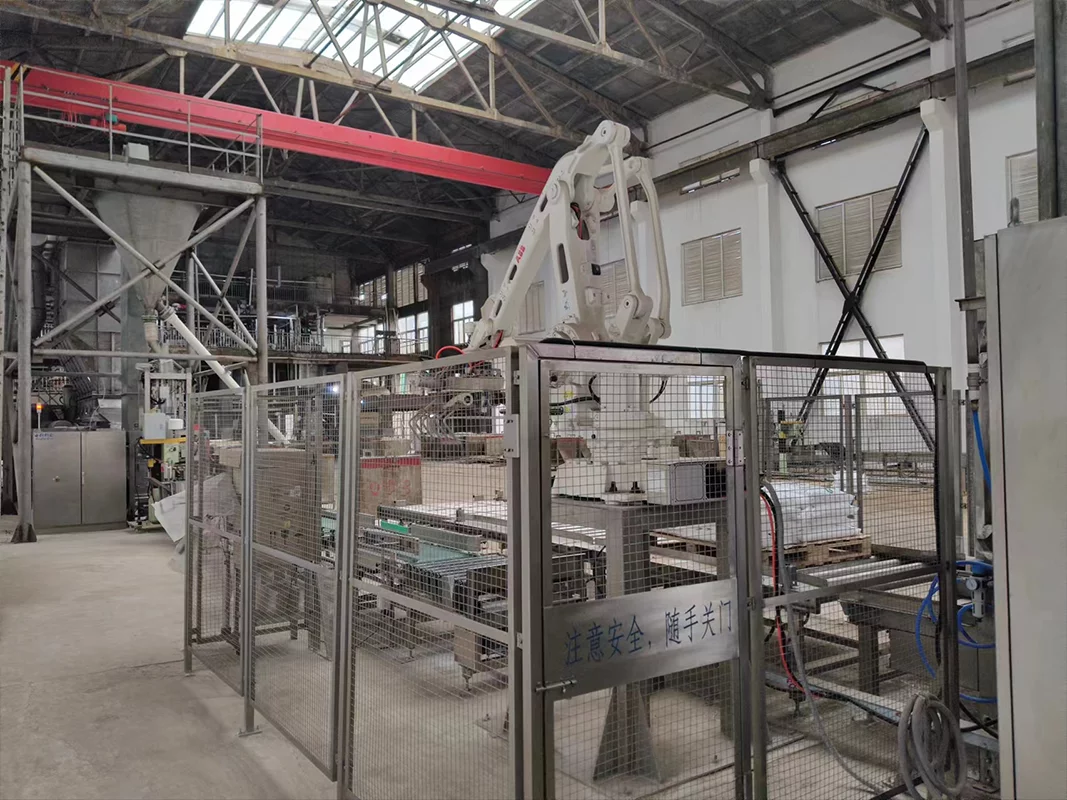
The manufacturing industry is facing increasing challenges in today’s competitive global market. Rising labor costs, higher production requirements, strict quality standards, and the demand for faster delivery have forced manufacturers to rethink traditional production methods. Many companies are now turning to industrial automation equipment to improve operational efficiency, reduce manufacturing costs, and build more intelligent production systems.
Industrial automation is no longer limited to large-scale factories. With the development of smart manufacturing technologies, automation solutions are becoming accessible for enterprises across various industries, including chemical processing, mining, agriculture, construction materials, food production, and other industrial fields.
As a professional provider of customized automation solutions, Hefei Weite Electromechanical Equipment Manufacturing Co., Ltd. focuses on designing and integrating advanced automated production equipment, intelligent packaging systems, and complete production line solutions. Through innovative technology and system integration capabilities, the company helps industrial enterprises achieve higher efficiency and digital transformation.
What Is Industrial Automation Equipment?
Industrial automation equipment refers to machines, control systems, and integrated technologies designed to operate industrial processes automatically with minimal human intervention. These systems use advanced technologies such as sensors, programmable logic controllers (PLC), robotics, intelligent control systems, and data management platforms to improve production performance.
Unlike traditional manual operations, automated manufacturing systems can perform repetitive and complex tasks with greater speed, accuracy, and consistency.
Common industrial automation equipment includes:
- Automatic packaging machines
- Automated production lines
- Material handling systems
- Intelligent weighing systems
- Conveyor systems
- Automated storage and lifting equipment
- Industrial control systems
By integrating different types of equipment into a complete production system, manufacturers can optimize workflows and create more efficient production environments.
How Industrial Automation Equipment Helps Reduce Manufacturing Costs
1. Reducing Labor Costs Through Automated Operations
Labor expenses represent a significant part of manufacturing costs. Traditional production processes often require many workers to handle repetitive tasks such as material feeding, weighing, packaging, and transportation.
Industrial automation equipment can replace many manual operations and allow companies to achieve continuous production with fewer labor requirements.
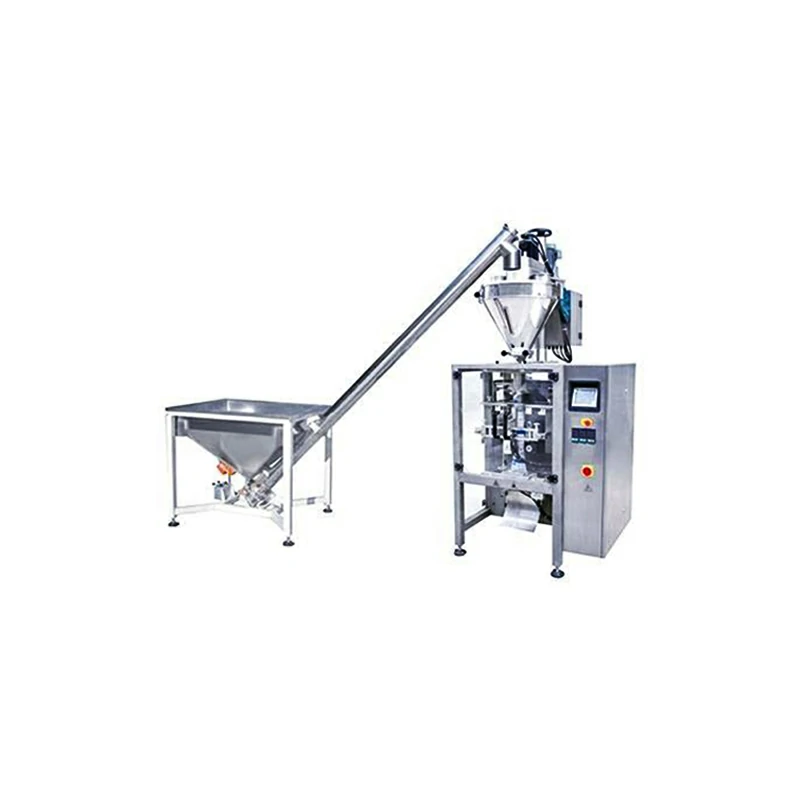
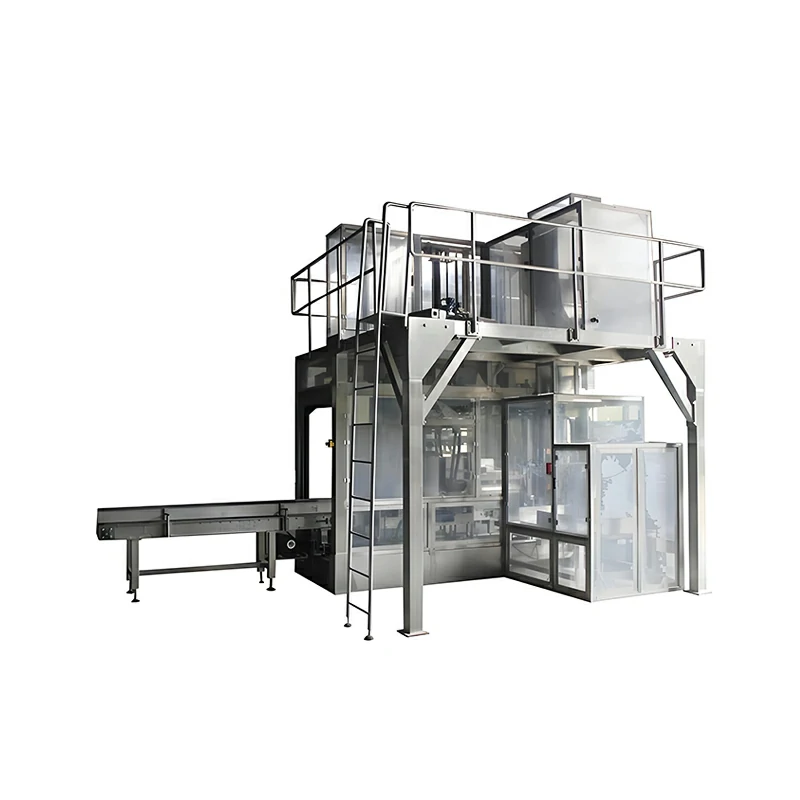
For example, an automated packaging system can complete:
- Material feeding
- Precise weighing
- Bag filling
- Sealing
- Product transportation
without constant manual operation.
This does not only reduce direct labor costs but also allows employees to focus on higher-value tasks such as equipment management, quality control, and production optimization.
2. Improving Production Efficiency and Reducing Downtime
Production efficiency is one of the most important factors affecting manufacturing profitability.
Manual production lines often experience problems such as:
- Slow operating speed
- Human errors
- Production interruptions
- Inconsistent output
Industrial automation equipment provides stable and continuous operation, helping factories increase production capacity.
Modern automated production systems can work according to predefined programs and maintain consistent performance throughout the production process.
For industries requiring large-scale material processing, such as chemical, mining, and building material industries, automation solutions can significantly improve overall productivity.
3. Increasing Product Accuracy and Reducing Material Waste
Manufacturing companies often face losses caused by inaccurate measurement, improper handling, or inconsistent product quality.
Automation technology helps solve these problems through precise control systems.
For example:
- Intelligent weighing systems improve measurement accuracy
- Automated filling equipment controls material quantity precisely
- Digital monitoring systems identify production issues quickly
For powder and granule material industries, high-precision automation equipment is especially important because even small measurement errors can lead to significant material waste during large-scale production.
By improving accuracy, manufacturers can reduce unnecessary costs and increase resource utilization.
The Role of Industrial Automation in Smart Manufacturing
The development of Industry 4.0 has changed the way factories operate. Modern manufacturers are moving from traditional production models toward smart manufacturing systems supported by automation, data, and intelligent technologies.
Industrial automation equipment is the foundation of smart factories.
A smart manufacturing system can provide:
- Real-time production monitoring
- Automated data collection
- Intelligent equipment control
- Production efficiency analysis
- Remote operation management
Through digital technologies, companies can understand production conditions more clearly and make better decisions.
For example, by analyzing production data, manufacturers can identify bottlenecks, optimize production processes, and improve equipment utilization rates.
Customized Industrial Automation Solutions for Different Industries
Every manufacturing enterprise has different production requirements. A standard machine may not always provide the best solution. Therefore, customized automation systems are becoming increasingly important.
Hefei Weite Electromechanical Equipment Manufacturing Co., Ltd. provides customized production line solutions based on customers’ actual needs, including equipment design, system integration, and production optimization.
The company’s automation solutions can be applied to various industrial sectors:
Chemical Industry
Chemical manufacturers often handle powders, granules, and bulk materials that require accurate measurement and safe transportation.
Automation equipment helps improve:
- Material handling efficiency
- Packaging accuracy
- Production safety
Mining Industry
Mining enterprises require reliable systems for processing and transporting large quantities of materials.
Automated production solutions can help improve:
- Operational efficiency
- Material management
- Production consistency
Fertilizer and Agricultural Industries
Fertilizer products often require automatic weighing and packaging systems to ensure accurate product delivery.
Automation technology helps manufacturers achieve:
- Faster packaging speed
- Reduced labor requirements
- Better product quality
Construction Material Industry
Products such as cement, mineral powder, and other bulk materials require efficient packaging and handling solutions.
Automated equipment can improve production capacity while reducing operational costs.
Why Companies Should Invest in Production Line Automation
Investing in production line automation is not only about replacing manual work. It is a long-term strategy for improving competitiveness.
The main advantages include:
Higher Production Capacity
Automated systems allow factories to operate faster and more efficiently, helping businesses meet growing market demand.
Better Quality Control
Automation ensures stable production processes and reduces variations caused by human operation.
Improved Workplace Safety
Many industrial processes involve heavy materials or hazardous environments. Automation reduces workers’ exposure to risky operations.
Stronger Market Competitiveness
Companies with advanced manufacturing systems can respond faster to customer demands and maintain better product consistency.
Key Factors When Choosing Industrial Automation Equipment
Selecting the right automation solution requires careful consideration.
Manufacturers should evaluate:
Production Requirements
Different industries require different equipment configurations. Companies should consider:
- Production capacity
- Material characteristics
- Packaging requirements
- Factory layout
Equipment Integration Capability
A good automation system should work smoothly with existing production processes.
Professional automation suppliers can provide complete solutions instead of individual machines.
Technology and Reliability
Reliable equipment design, advanced control systems, and quality components are essential for long-term operation.
After-Sales Support
Industrial equipment requires technical support, maintenance services, and professional guidance to ensure stable performance.
Hefei Weite: Providing Complete Industrial Automation Solutions
Hefei Weite Electromechanical Equipment Manufacturing Co., Ltd. specializes in the research, development, design, and integration of automated production equipment and complete production line solutions.
The company focuses on helping industrial enterprises achieve:
- Intelligent factory construction
- Production line upgrades
- Digital transformation
- Automated manufacturing improvement
Its product solutions include:
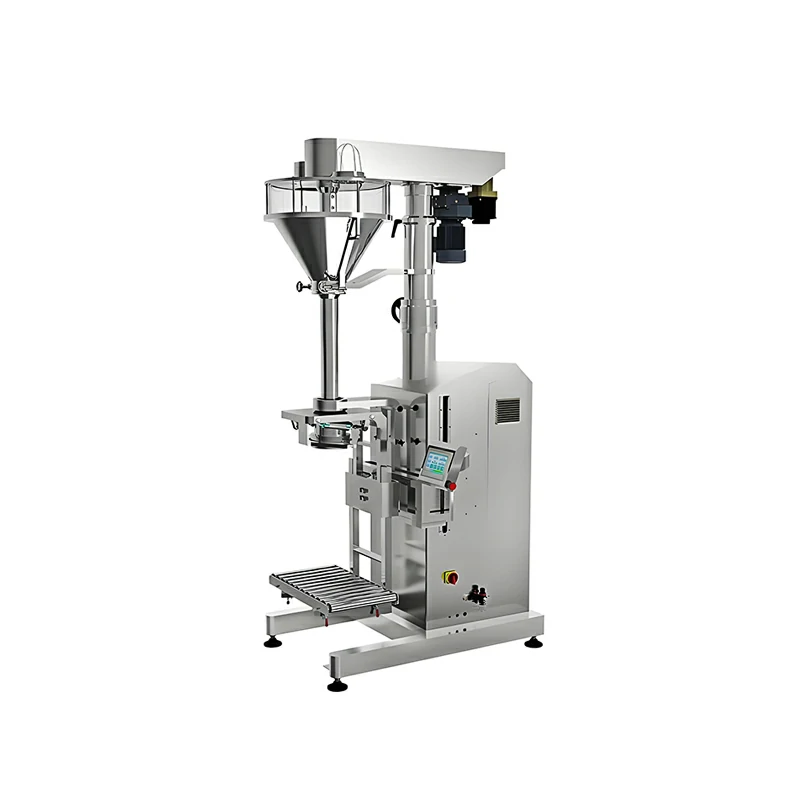
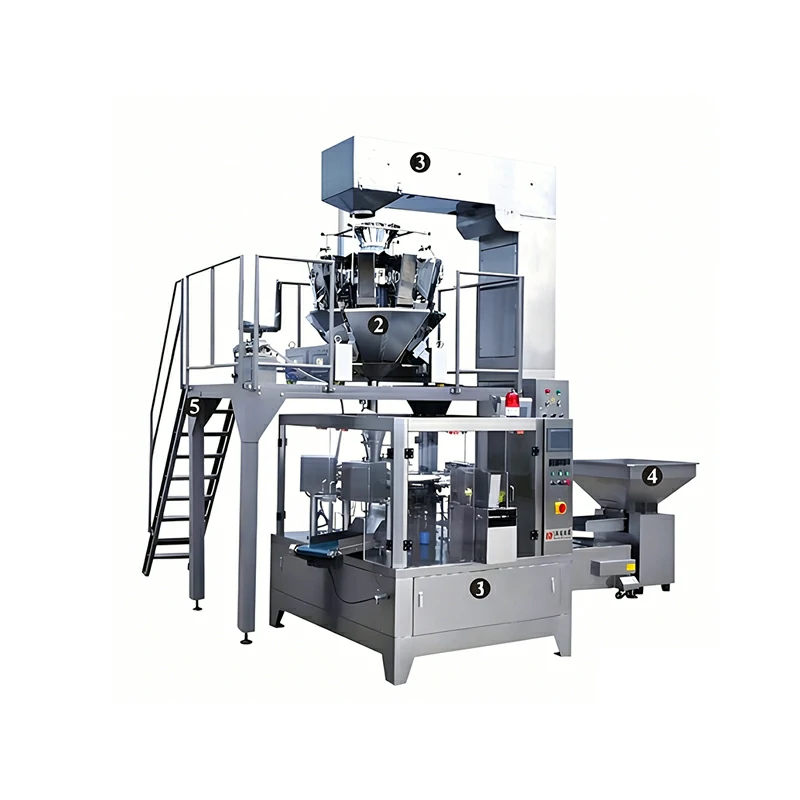
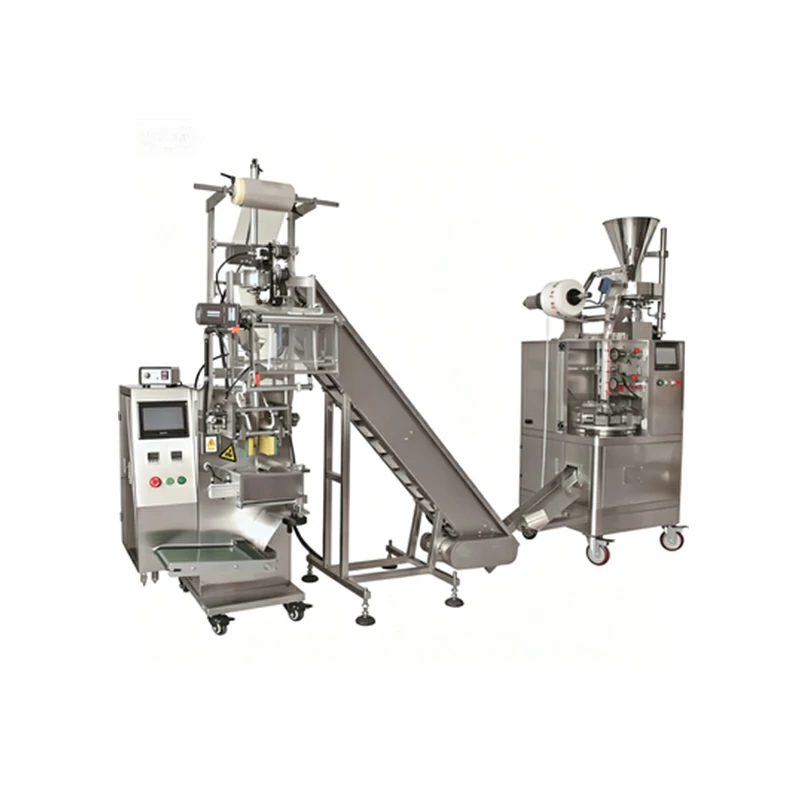
- Granule Packing Machine
- Powder Packing Machine
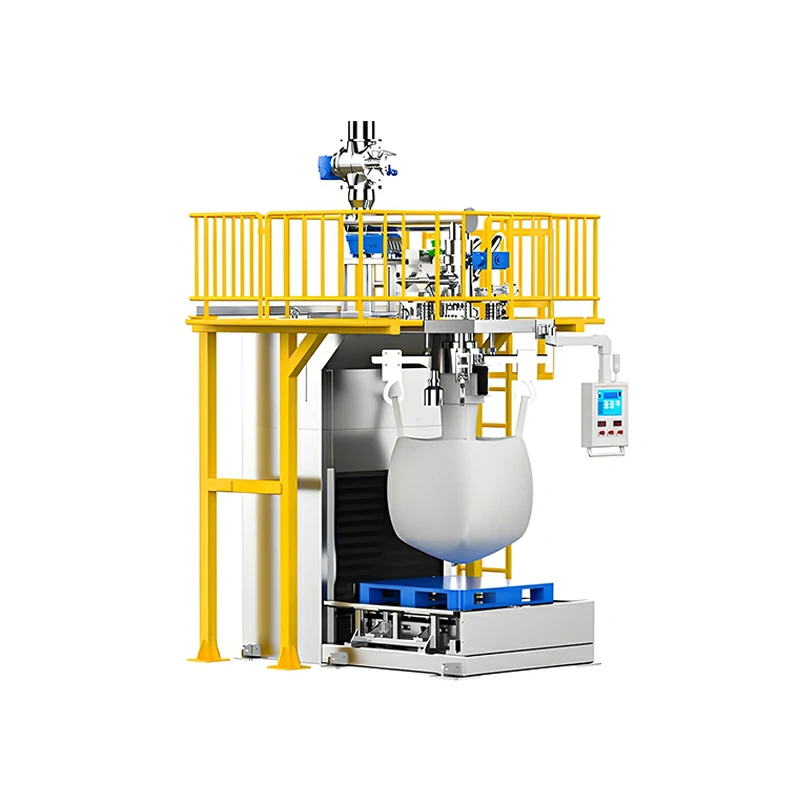
- Ton Bag Packing Machine
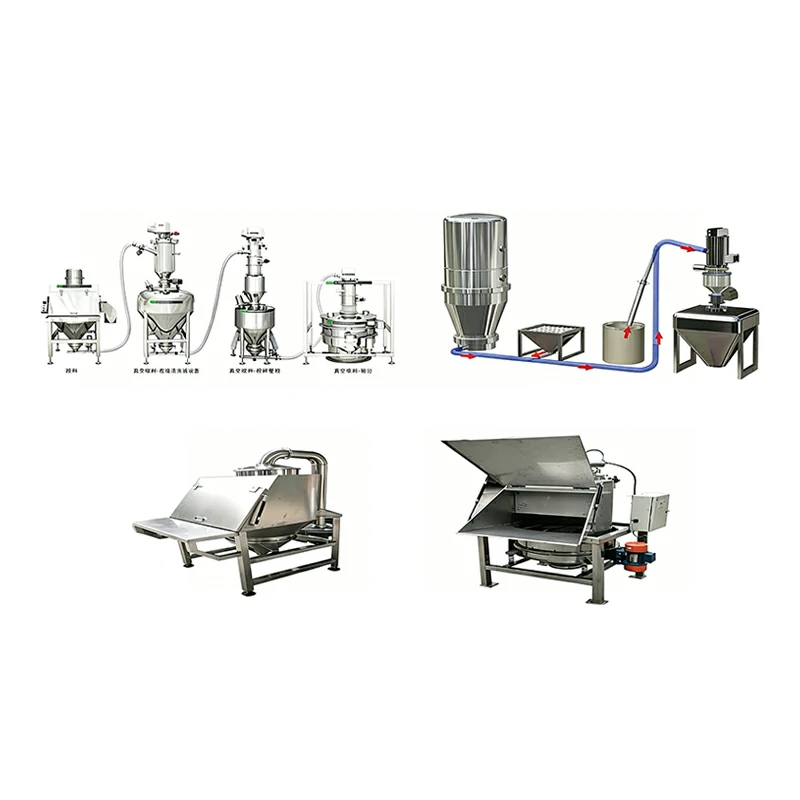
- Bulk Bag Unpacking Machine
- Automated Packaging Unit
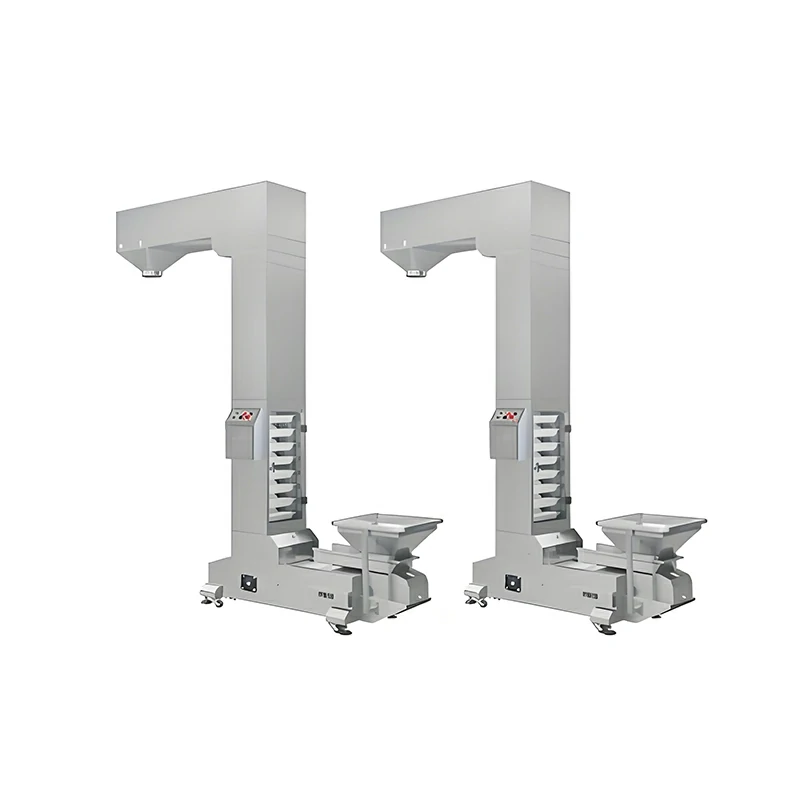
- Stereoscopic Lifting Container
- Auxiliary Equipment
By combining advanced automation technology with customized engineering solutions, Hefei Weite helps customers improve production efficiency and build more intelligent industrial systems.
Future Trends of Industrial Automation Equipment
The future of manufacturing will continue moving toward higher levels of automation and intelligence.
Several trends will shape the development of industrial automation:
Greater Digital Integration
Factories will increasingly use data platforms to monitor and optimize production processes.
More Flexible Automation Systems
Customized automation solutions will become more important as manufacturers require adaptable production lines.
Increased Use of Intelligent Technologies
Artificial intelligence, sensors, and advanced control systems will further improve manufacturing efficiency.
Sustainable Manufacturing Development
Automation will help companies reduce waste, optimize energy consumption, and achieve more environmentally friendly production.
Conclusion: Automation Is the Future of Efficient Manufacturing
In today’s competitive industrial environment, improving efficiency and reducing production costs are essential for business growth. Industrial automation equipment provides manufacturers with a powerful solution to achieve these goals through improved productivity, higher accuracy, and smarter production management.
From automated packaging systems to complete customized production lines, advanced automation technology is transforming modern factories and creating new opportunities for industrial development.
As a professional manufacturer of automation equipment and intelligent production solutions, Hefei Weite Electromechanical Equipment Manufacturing Co., Ltd. continues to support global industrial enterprises with reliable technology, customized solutions, and innovative automation systems.
By investing in industrial automation today, companies can build more efficient, intelligent, and competitive manufacturing operations for the future.


包装机.webp)